Duffys Forest
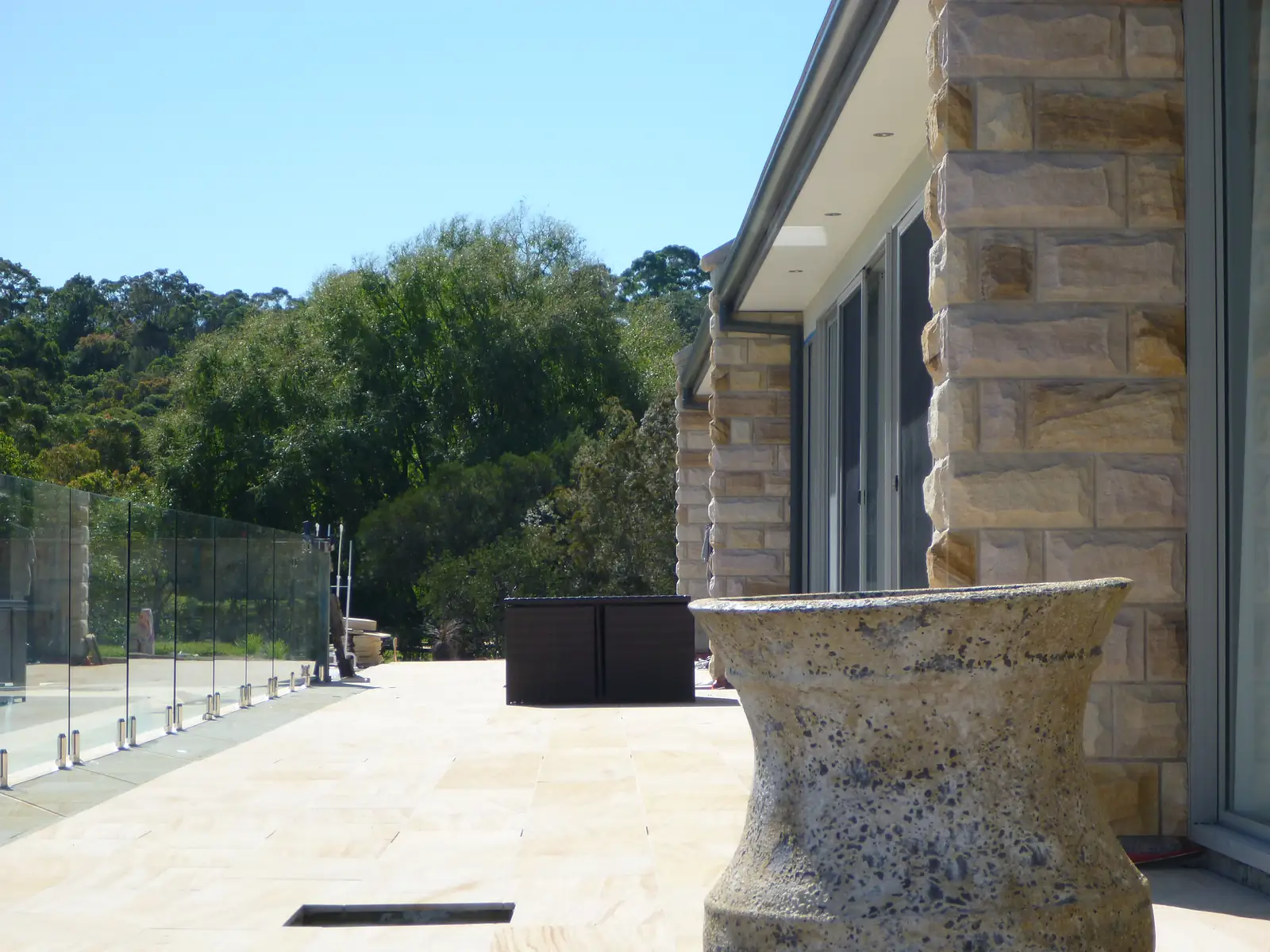
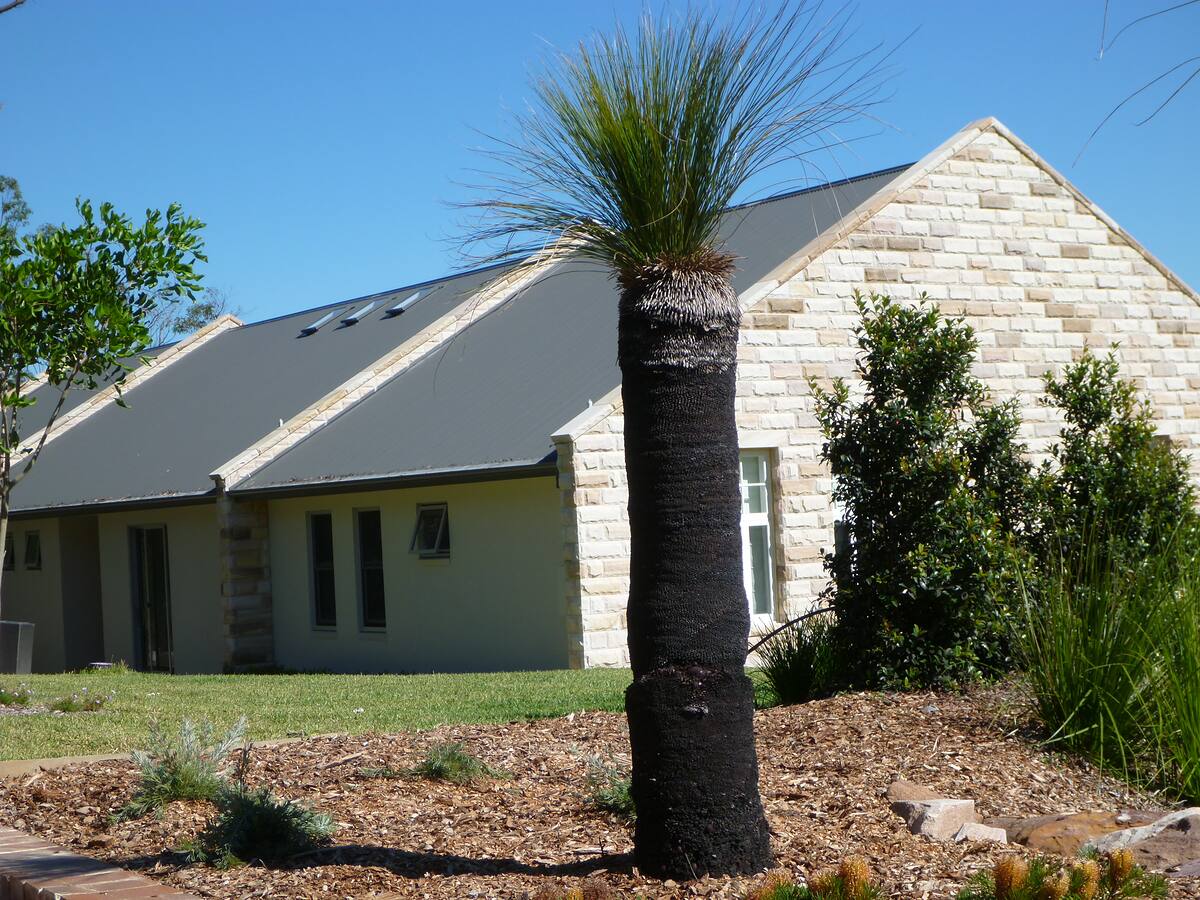
Sandstone home & native acreage garden
A five-acre block of empty land transformed into a landscape that contrasts sandstone with its natural bushland surroundings.
View projectTiling & Paving
Paving and tiling have been around as long as bricks, which is why there are so many options on the market today. From standard brick-sized pavers up to large one-metre natural stone slabs, we'll help you choose and lay them properly.
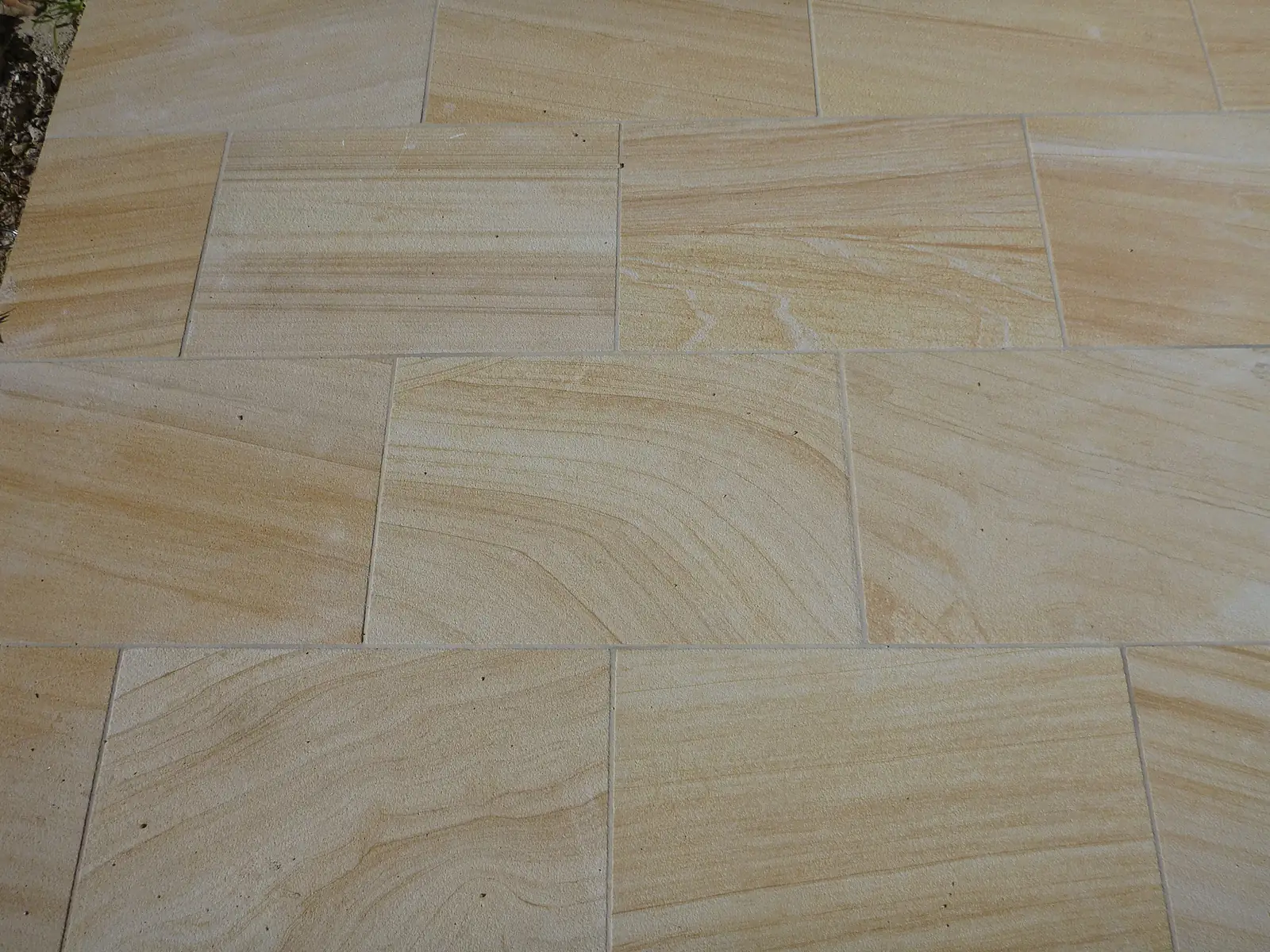
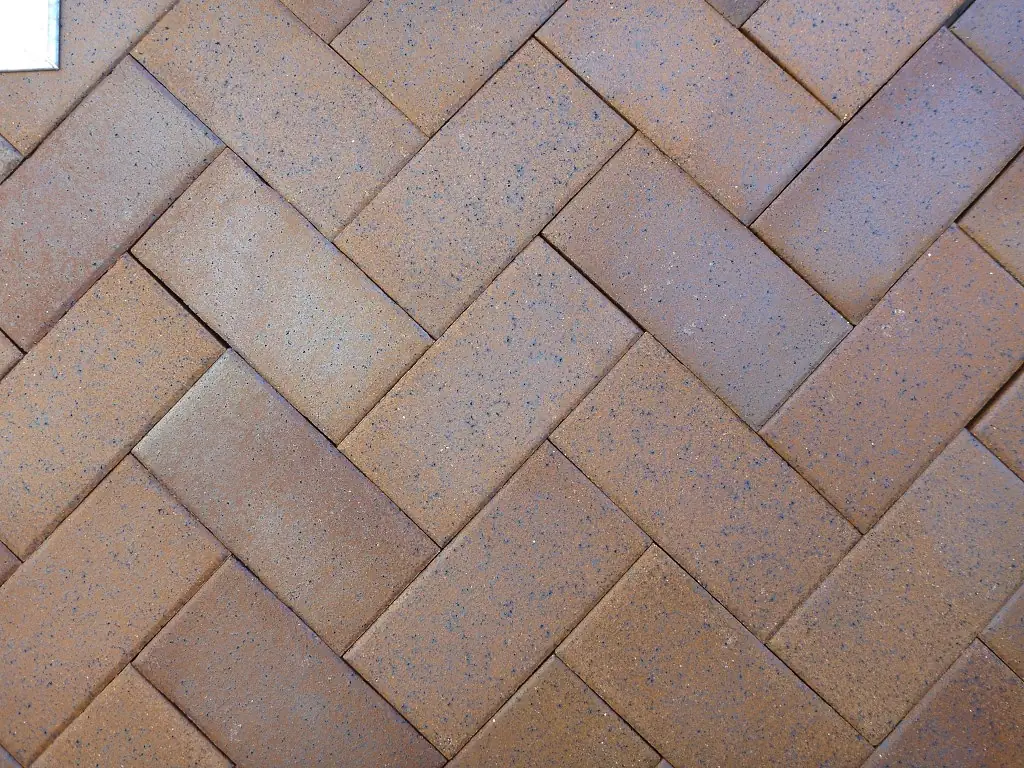
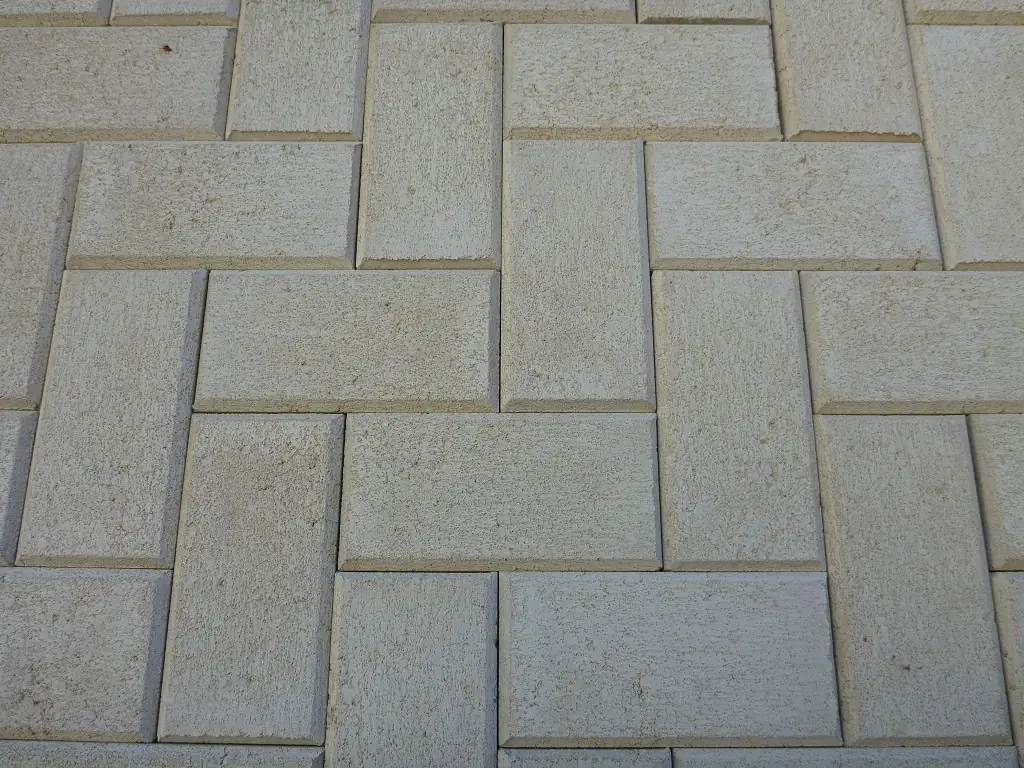
The pattern changes the whole look. Stretcher bond (like brickwork, with every second row offset by half) is the most common; stack bond lays pavers in straight lines; basket weave adds texture; and for driveways we use 45° or 90° herringbone, which locks together and minimises movement under heavy traffic.
With pavers we leave a 3 mm joint and sweep in fine sand to lock everything together and prevent chipping.
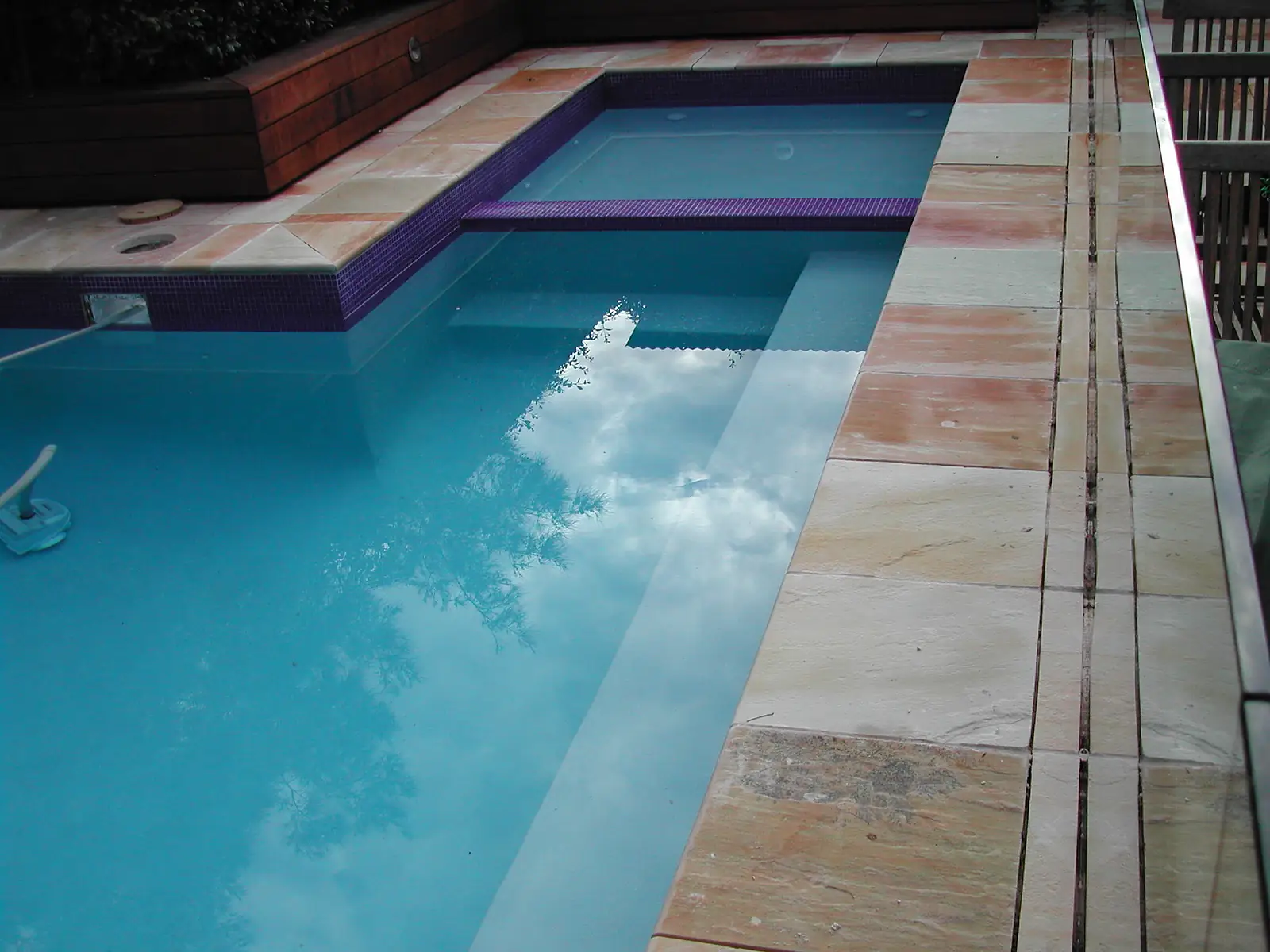
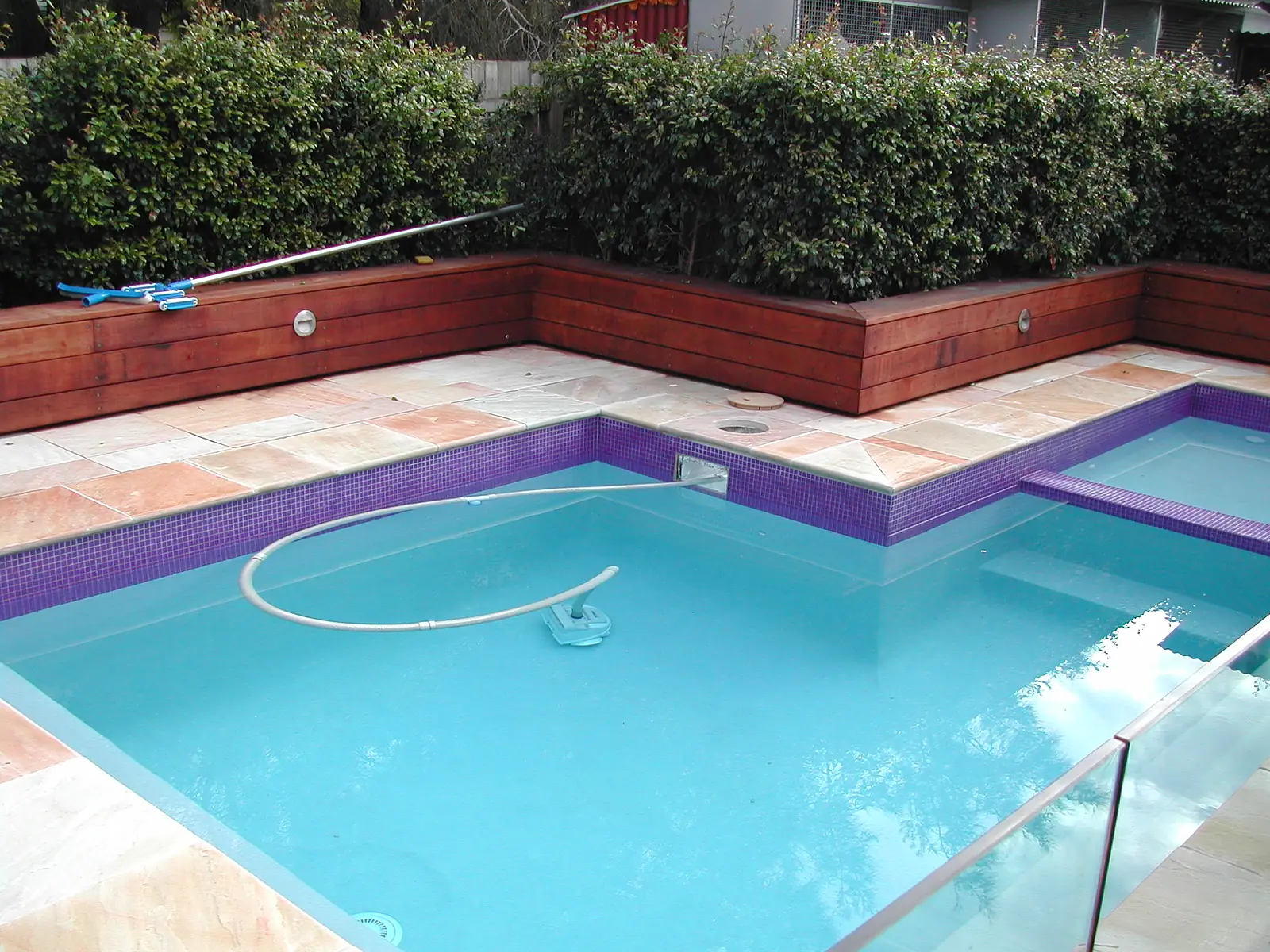
Tiles are thinner than pavers and laid differently: we fix them with tile adhesive onto a sand-and-cement screed or directly to a slab, then grout the joints. This suits wet areas such as pool and spa surrounds, waterline tiles and bathrooms, which we also cover.
Whether you're after natural stone or a concrete look, there's a paver or tile out there for you, and we're the specialists to install it.
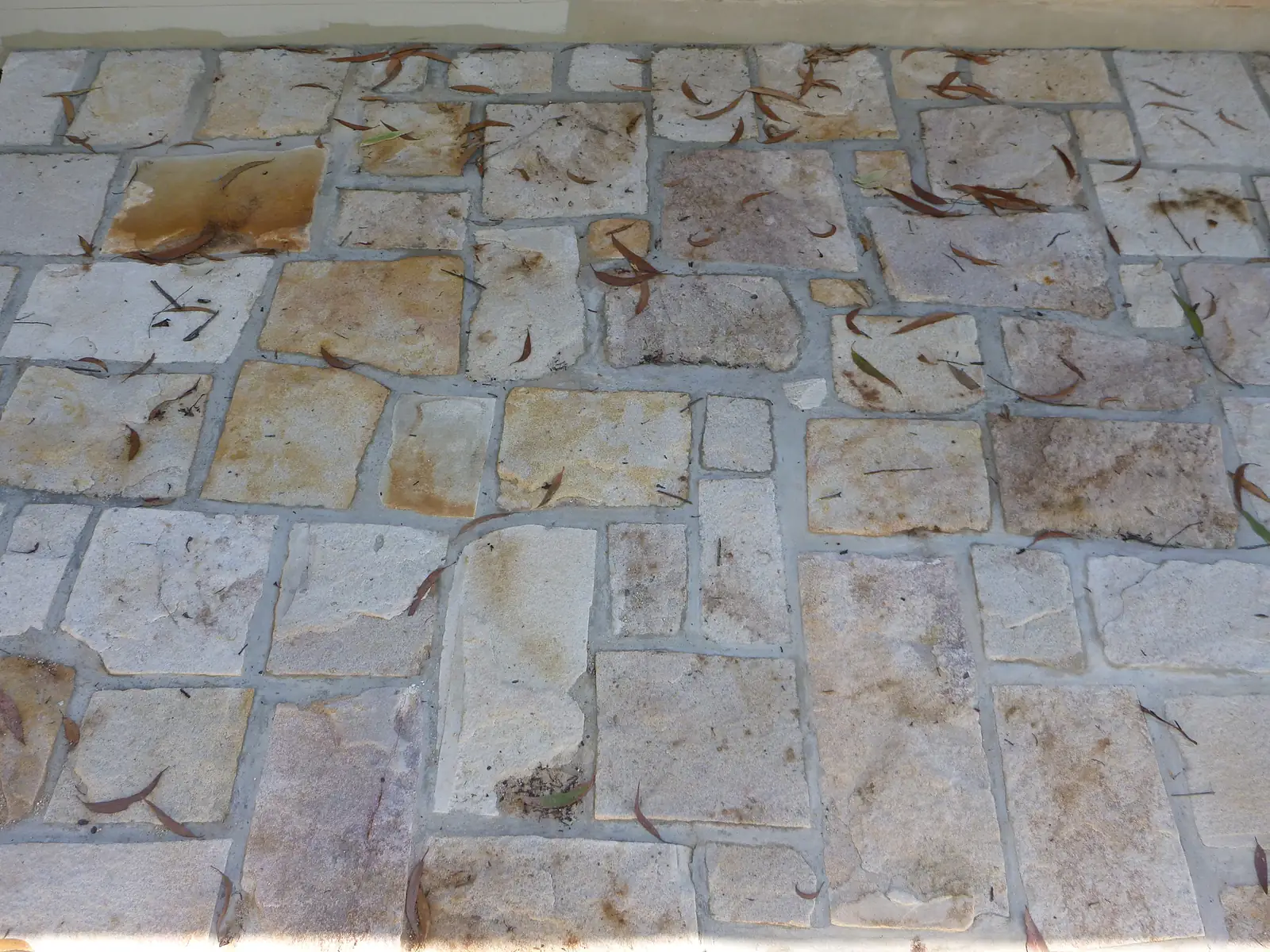
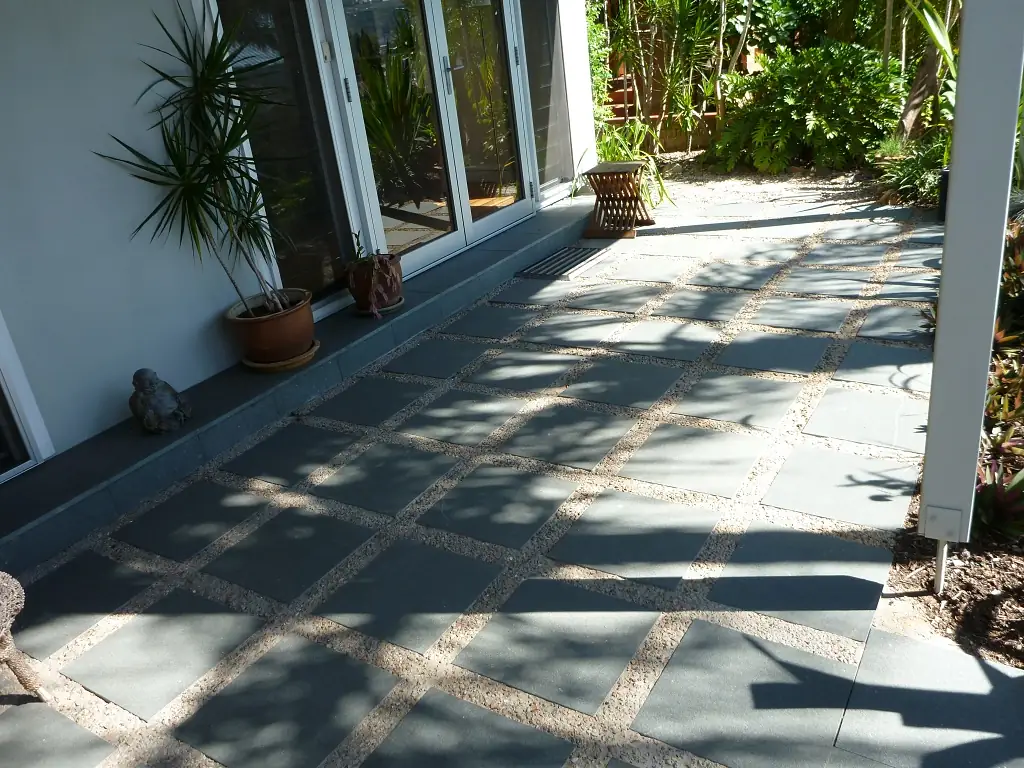
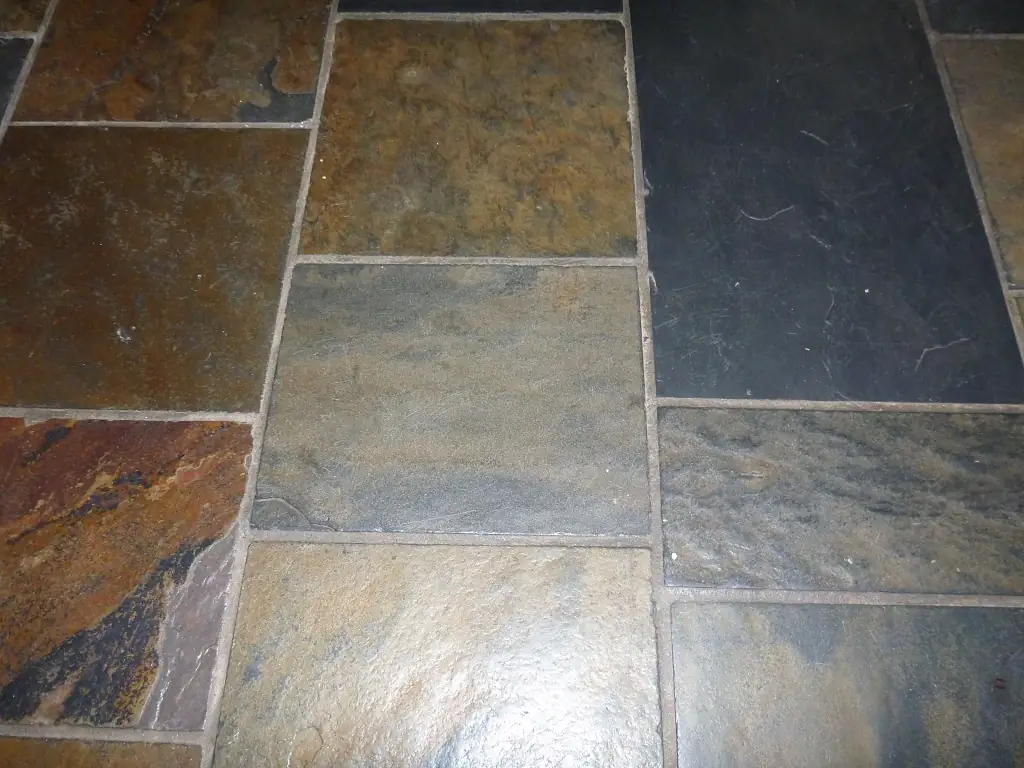
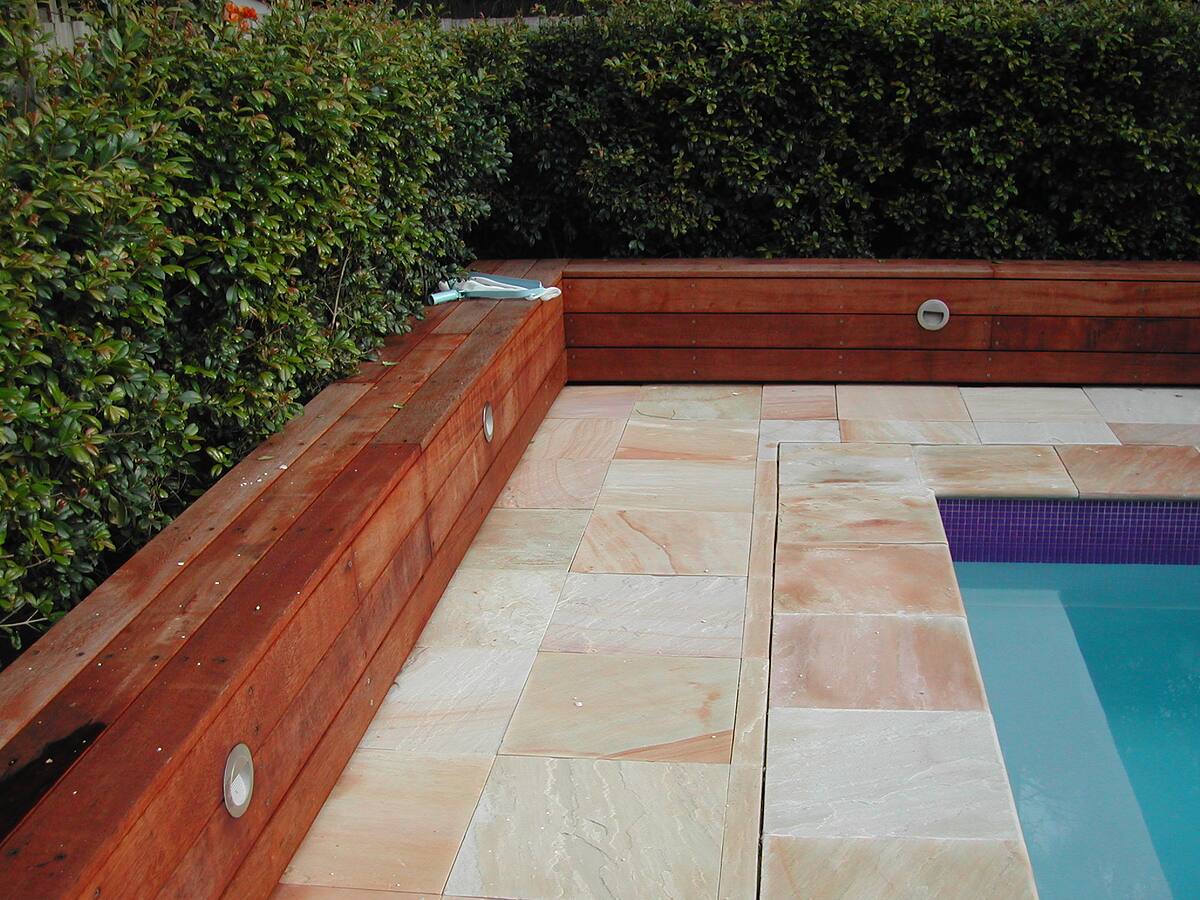
A selection of our tiling & paving work across the Northern Beaches.
Pavers are thicker and usually laid on a compacted sand bed with sand-swept joints. Tiles are thinner, fixed with adhesive to a screed or slab and grouted, better for wet areas like pool surrounds and bathrooms.
Sandstone, travertine and bluestone are popular because they stay cooler underfoot and can be finished non-slip. Choose a stone rated for salt-water pools and seal it to protect it.
Herringbone at 45° or 90°. The interlocking pattern resists the turning and braking forces of cars far better than straight-line patterns.
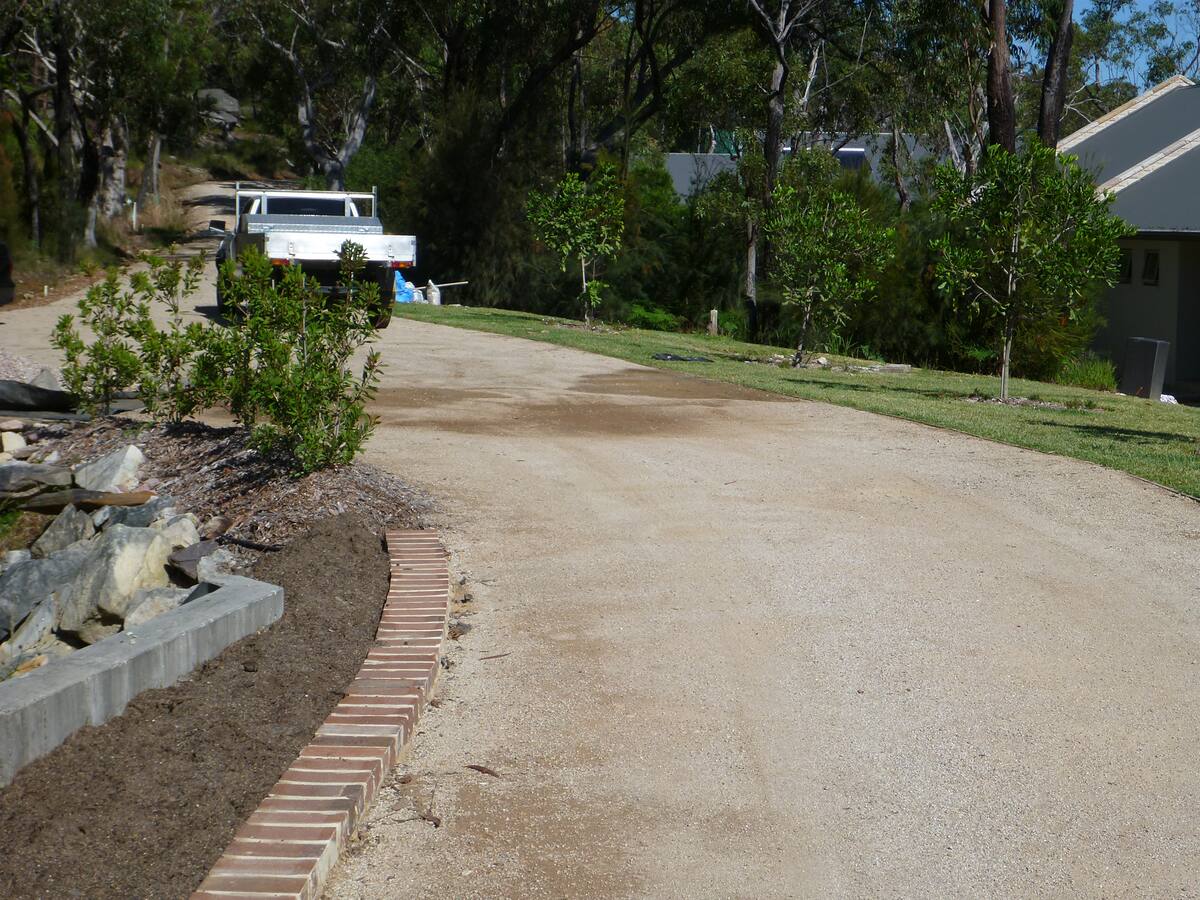
Concrete, stamped, paved and natural stone driveways and paths that lift your street appeal.
Learn more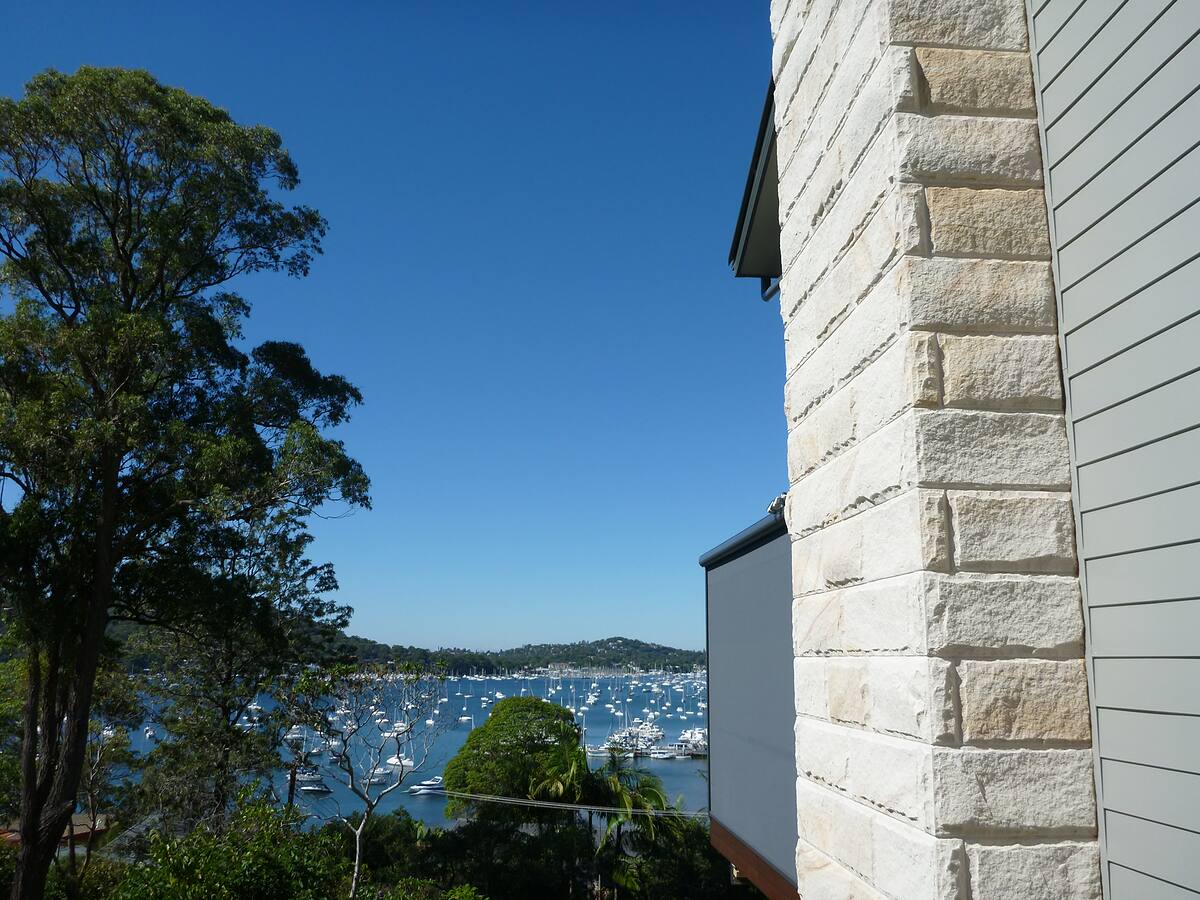
Sandstone walls, cladding, pillars and features, built from local stone to last for generations.
Learn more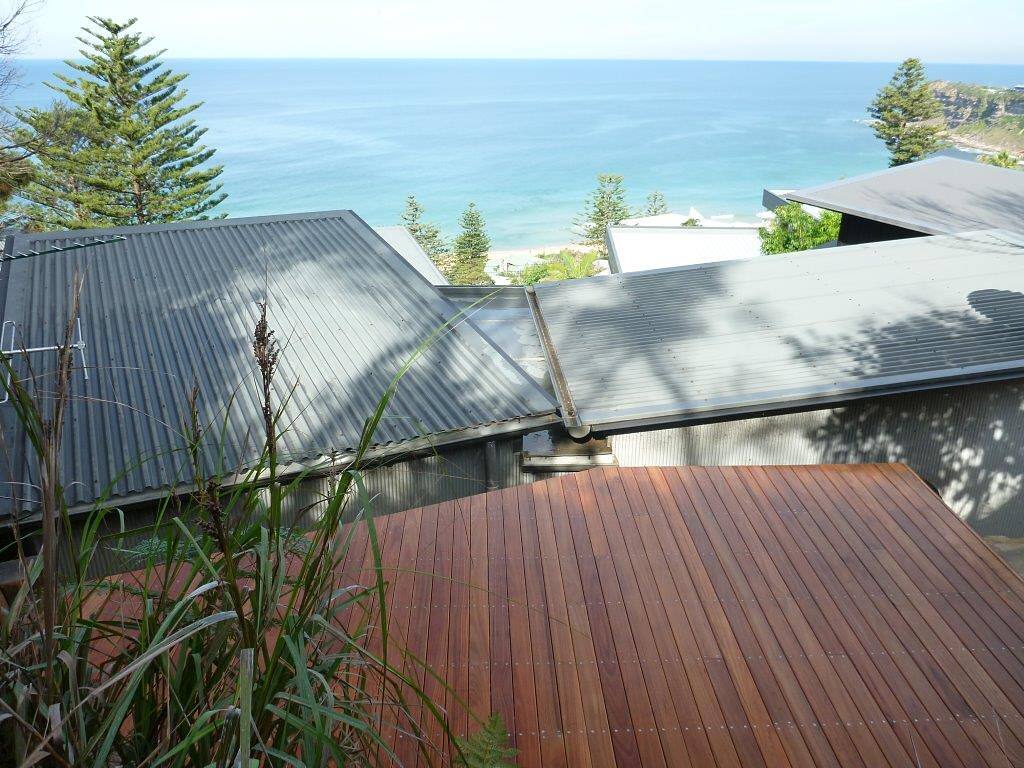
Treated pine, Australian hardwood and tiled decks for relaxing and entertaining outdoors.
Learn moreFree, no-obligation quote and measure. Your plans, our plans, or we design one together.